Guide Pins: A Comprehensive Overview (as of 04/28/2026)
Guide pins are crucial fasteners utilized across diverse industries‚ from automotive and construction to textiles‚ offering secure connections and simplified maintenance procedures.
What is a Guide Pin? ⎻ Definition and Core Function
Guide pins are cylindrical or slightly tapered fasteners designed to accurately align and secure components. Their primary function is to maintain precise positioning during assembly‚ maintenance‚ or operational phases. These pins aren’t typically load-bearing themselves‚ but rather guide forces and prevent unwanted movement.
In machinery‚ like those with gear shafts‚ guide pins lock components in place for adjustments. Textile machinery benefits from U-pins‚ minimizing disruptive vibrations. Beyond industrial applications‚ pins secure consumer goods‚ from toys to appliances‚ offering easy assembly and disassembly for maintenance. They are essential for ensuring proper alignment and functionality across a broad spectrum of applications‚ contributing to overall system reliability and performance.
Historical Development of Guide Pins
The historical trajectory of guide pins is interwoven with the evolution of mechanical engineering and manufacturing. While pinpointing the exact origin is difficult‚ rudimentary forms of pinning likely existed in ancient woodworking and metalworking practices to join components.
As machining capabilities advanced during the Industrial Revolution‚ more precise pins became feasible‚ crucial for the burgeoning textile and automotive industries. The need for repeatable assembly and maintenance drove innovation in pin design and materials. The 20th and 21st centuries witnessed further refinement with the advent of CNC machining‚ enabling the production of highly accurate pins for specialized applications. Today‚ guide pins continue to evolve alongside advancements in materials science and manufacturing technologies.
Materials Used in Guide Pin Manufacturing
Guide pin manufacturing leverages a diverse range of materials‚ selected based on application-specific requirements. Steel alloys are prevalent for high-strength applications demanding durability and resistance to wear. Brass and bronze are frequently chosen for their excellent corrosion resistance‚ making them suitable for environments exposed to moisture or chemicals.
Beyond these‚ stainless steel offers a balance of strength and corrosion protection. Polymers and specialized composites are emerging for lightweight or electrically insulating pins. The selection process considers factors like load capacity‚ environmental conditions‚ and cost-effectiveness‚ ensuring optimal performance and longevity of the final product.
Steel Alloys for High-Strength Applications
Steel alloys are paramount when guide pins require exceptional strength and resilience. High-carbon steels offer increased hardness and wear resistance‚ ideal for demanding industrial applications. Alloy steels‚ incorporating elements like chromium‚ nickel‚ and molybdenum‚ enhance toughness and tensile strength‚ preventing deformation under heavy loads.

These alloys are frequently used in automotive and construction machinery where pins secure critical components like gear shafts. Heat treatment processes‚ such as hardening and tempering‚ further refine the steel’s properties. Careful alloy selection and processing ensure guide pins withstand significant stress‚ guaranteeing reliable performance and safety.
Brass and Bronze for Corrosion Resistance
Brass and bronze are excellent choices for guide pins operating in corrosive environments. These alloys‚ composed of copper with zinc (brass) or tin (bronze)‚ exhibit superior resistance to rust and oxidation compared to steel. This makes them invaluable in applications exposed to moisture‚ chemicals‚ or saltwater.
Textile machinery‚ often subjected to humidity and cleaning agents‚ benefits from the durability of brass or bronze pins. Their inherent corrosion resistance minimizes maintenance and extends the lifespan of the equipment. While generally softer than steel‚ these alloys provide sufficient strength for many non-high-stress applications‚ ensuring reliable functionality and longevity.
Types of Guide Pins Based on Function
Guide pins are categorized by their specific operational roles. Locking pins securely fasten shafts and gears‚ crucial for maintenance and adjustments in machinery like grinding engines. Spring plungers‚ acting as guide pins‚ provide a detent force‚ ideal for indexing or positioning components.

Cotter pins‚ easily separable‚ offer a simple locking mechanism‚ commonly found in construction and automotive applications. Quick release pins enable rapid assembly and disassembly‚ streamlining processes in various industrial settings. Understanding these functional distinctions is vital for selecting the appropriate pin for optimal performance and efficiency within a given system.
Locking Pins for Shafts and Gears
Locking pins are essential for maintaining precise alignment and preventing unwanted movement in rotating machinery. Specifically designed for gear shafts‚ these pins provide a robust securing method during maintenance‚ repair‚ or precise adjustments. They effectively lock components in place‚ ensuring operational stability and preventing costly malfunctions.
Their application is widespread in machines featuring gear shafts‚ guaranteeing accurate positioning. Different locking pin designs cater to varying load requirements and shaft diameters. Proper selection and installation are critical for maximizing effectiveness and ensuring long-term reliability within the mechanical system.
Spring Plungers as Guide Pins
Spring plungers function effectively as guide pins‚ offering a unique combination of positioning and controlled movement. These versatile components utilize a spring mechanism to maintain contact and provide a consistent force against mating parts. This makes them ideal for applications requiring frequent assembly and disassembly‚ or where precise alignment is paramount.
They are particularly useful in scenarios demanding a degree of flexibility or shock absorption. Spring plungers excel in applications where a simple‚ reliable locking mechanism is needed‚ offering a convenient alternative to more complex fastening solutions. Their compact design and ease of integration contribute to their widespread adoption.
Cotter Pins: Design and Industrial Uses
Cotter pins are a classic type of guide pin‚ recognized by their distinctive teardrop-shaped head and two legs of unequal length. This design allows for easy separation of the legs during installation and removal‚ providing a secure fastening solution. They are commonly employed to secure castle nuts‚ preventing loosening due to vibration or dynamic loads.
Industrially‚ cotter pins find extensive use in construction‚ automotive‚ and agricultural machinery. Their simplicity and cost-effectiveness make them a popular choice for a wide range of applications. The pins effectively lock components in place‚ ensuring operational safety and reliability. They are particularly valuable where frequent inspection or maintenance is required.
Types of Guide Pins Based on Application
Guide pins diversify significantly based on their intended application. In textile machinery‚ U-pins are favored for their vibration-dampening qualities‚ ensuring smooth operation and preventing damage to delicate components. Conversely‚ quick release pins are essential in machinery requiring frequent adjustments or component changes‚ allowing for rapid assembly and disassembly.
The realm of personal expression sees enamel pins – available in soft enamel and hard enamel varieties – used for decorative and representational purposes‚ extending beyond mere functionality. Furthermore‚ sewing pins‚ specifically straight pins and T-pins‚ cater to the crafting world‚ each suited for different fabric manipulation techniques.
Sewing Pins: Straight Pins vs. T-Pins
Sewing pins are indispensable tools for crafters‚ categorized primarily into straight pins and T-pins‚ each designed for specific project needs. Straight pins‚ the more commonly used variety‚ excel at temporarily securing fabric layers during cutting‚ fitting‚ and sewing processes‚ offering precision and control.
T-pins‚ distinguished by their T-shaped heads‚ provide a more secure hold‚ particularly useful when working with thicker materials or needing to hold multiple layers firmly in place. They are ideal for projects like quilting or attaching fabric to boards. Understanding these distinctions allows crafters to select the optimal pin for enhanced project outcomes.
Enamel Pins: Soft Enamel and Hard Enamel Varieties
Enamel pins extend beyond mere decorative items; they serve functional roles‚ including creating professional lapel pins for organizations and representing brands or causes effectively. Two primary types dominate the enamel pin landscape: soft enamel and hard enamel. Soft enamel pins possess a textured surface where the enamel is recessed‚ offering a tactile feel and vibrant color palette.
Conversely‚ hard enamel pins undergo a polishing process‚ resulting in a smooth‚ jewel-like finish with exceptional durability. This polishing creates a flush surface‚ making them ideal for intricate designs and a premium aesthetic. Both varieties offer unique qualities for diverse applications.
Quick Release Pins for Machinery
Quick release pins represent a specialized category of guide pins designed for applications demanding frequent assembly and disassembly in machinery and equipment. These pins facilitate rapid component changes during maintenance‚ adjustments‚ or repairs‚ significantly reducing downtime. Their design typically incorporates a spring-loaded ball or pin that secures the pin within a receiving hole.
A simple pull action disengages the locking mechanism‚ allowing for swift removal. This feature is particularly valuable in industries where efficiency is paramount. Quick release pins are commonly found in applications requiring repeated access to components‚ streamlining operational workflows and enhancing productivity.
Industrial Applications of Guide Pins
Guide pins find extensive use across a broad spectrum of industrial sectors‚ serving as essential components in various machinery and equipment. Within the automotive industry‚ they secure gear shafts during maintenance and adjustments‚ ensuring precise alignment and functionality. Construction and agricultural machinery heavily rely on these pins for robust fastening in demanding environments.
Notably‚ textile machinery benefits from their vibration-reducing properties‚ utilizing U-pins to maintain operational stability; Furthermore‚ they are integral to securing components in general manufacturing processes‚ offering reliable and efficient fastening solutions. Their versatility and durability make them indispensable in countless industrial applications.
Automotive Industry Uses

Guide pins play a critical role in automotive manufacturing and maintenance‚ ensuring the precision and reliability of vehicle components. Specifically‚ they are frequently employed to lock gear shafts in place during servicing and adjustments of grinding engines and other mechanical systems. This secure locking mechanism is vital for accurate repairs and preventative maintenance procedures.
Beyond maintenance‚ these pins contribute to the assembly of various automotive parts‚ providing a robust fastening solution. Their ability to withstand significant stress and vibration makes them ideal for use in demanding automotive environments. The consistent performance of guide pins directly impacts vehicle safety and longevity.
Construction and Agricultural Machinery
Guide pins are extensively utilized in both construction and agricultural machinery due to their durability and reliable fastening capabilities. These robust pins are integral to securing components in heavy-duty equipment subjected to harsh operating conditions and significant stress. Cotter pins‚ in particular‚ with their easily separable legs‚ are commonly found in these applications.

Their application spans a wide range of machinery‚ from excavators and bulldozers to tractors and harvesters. The pins ensure the secure assembly of critical parts‚ contributing to the overall structural integrity and operational efficiency of the equipment. Precision manufacturing‚ often achieved through CNC machining‚ guarantees the pins meet the stringent demands of these industries.
Textile Machinery Applications ⎻ Vibration Reduction
Guide pins‚ specifically U-pins‚ play a vital role in textile machinery by effectively minimizing unwanted vibrations during operation. The high-speed nature of textile manufacturing processes creates significant vibrational forces that can compromise product quality and machine longevity. Strategically placed pins dampen these oscillations‚ ensuring smoother and more precise operation.
These pins secure components‚ preventing lateral movement and maintaining alignment. This stabilization is crucial for consistent fabric production and reduces wear and tear on sensitive machinery parts. The use of appropriate materials‚ like steel alloys‚ further enhances their ability to withstand the continuous stress and vibrations inherent in textile manufacturing environments‚ improving overall efficiency.

Guide Pin Manufacturing Processes
Guide pin manufacturing relies heavily on precision techniques to ensure dimensional accuracy and material integrity. CNC machining is a dominant process‚ allowing for the creation of complex geometries and tight tolerances essential for functional performance. This method utilizes computer-controlled tools to shape raw materials into finished pins with exceptional consistency.
Furthermore‚ welding brackets and subsequent pin integration are common for specialized applications requiring robust attachment. Quality control is paramount throughout these processes‚ involving rigorous inspections to verify adherence to specifications. The selection of appropriate manufacturing methods depends on the pin’s intended use‚ material composition‚ and required production volume.
CNC Machining for Precision Pins
CNC machining stands as the premier method for producing precision guide pins‚ offering unparalleled accuracy and repeatability. Utilizing computer numerical control‚ this process shapes raw material – often steel‚ brass‚ or bronze – through programmed toolpaths. This ensures consistent dimensions critical for applications like locking gear shafts or securing components in textile machinery.
The process allows for intricate designs and tight tolerances‚ exceeding the capabilities of traditional manufacturing. Multiple operations‚ such as milling‚ turning‚ and drilling‚ can be performed sequentially within a single machine setup. This minimizes handling and further enhances precision‚ resulting in high-quality guide pins suitable for demanding industrial environments.
Welding Brackets and Pin Integration
Welding brackets provide a robust method for integrating guide pins into larger assemblies‚ particularly within construction‚ automotive‚ and agricultural machinery. This technique ensures a permanent and highly secure connection‚ capable of withstanding significant stress and vibration. The process involves welding a bracket – often steel – directly onto the component requiring guidance or alignment;
Subsequently‚ the guide pin is affixed to the bracket‚ creating a stable and reliable positioning system. Careful weld preparation and execution are crucial to maintain the pin’s precision and prevent distortion. This integration method is especially valuable when retrofitting existing equipment or creating custom solutions where precise alignment is paramount.
Fastening and Securing with Guide Pins
Guide pins excel at fastening and securing components while simultaneously allowing for relatively easy assembly and disassembly – a critical feature for maintenance and adjustments. Unlike permanent fasteners‚ many guide pin types‚ such as quick-release pins and spring plungers‚ offer convenient access for servicing machinery.
This balance between security and accessibility makes them ideal for applications requiring frequent component changes or inspections. They are widely used in consumer goods‚ ranging from toys to household appliances‚ providing a reliable hold. The ease of use minimizes downtime and simplifies repair processes‚ contributing to increased operational efficiency.
Ease of Assembly and Disassembly
A significant advantage of utilizing guide pins lies in their contribution to streamlined assembly and disassembly processes. Many varieties‚ including quick-release pins and spring plungers‚ are specifically designed for rapid engagement and removal‚ minimizing downtime during maintenance or component replacement.
This characteristic is particularly valuable in industries like automotive and manufacturing‚ where efficiency is paramount. Compared to more permanent fastening methods‚ guide pins offer a user-friendly solution‚ reducing the need for specialized tools or extensive labor. This ease of operation translates to cost savings and improved productivity.
Guide Pins vs. Other Fasteners: A Comparison
When contrasted with traditional fasteners like screws‚ bolts‚ or welds‚ guide pins present a unique set of advantages and disadvantages. While screws and bolts offer strong clamping force‚ they require threading and can be time-consuming to install and remove. Welding provides a permanent bond‚ lacking the flexibility of guide pins.
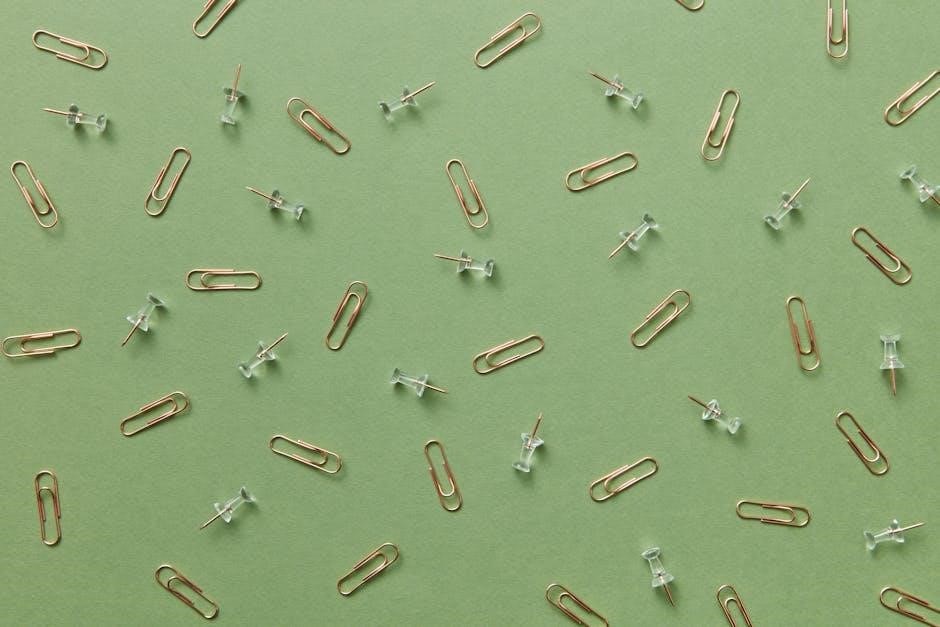
Guide pins excel in applications demanding frequent assembly/disassembly‚ offering quicker operation. Cotter pins‚ a type of guide pin‚ provide a secure‚ yet easily removable‚ fastening solution. However‚ they generally offer less clamping force than bolts. The optimal choice depends heavily on the specific application’s requirements for strength‚ speed‚ and permanence.
Standards and Specifications for Guide Pins
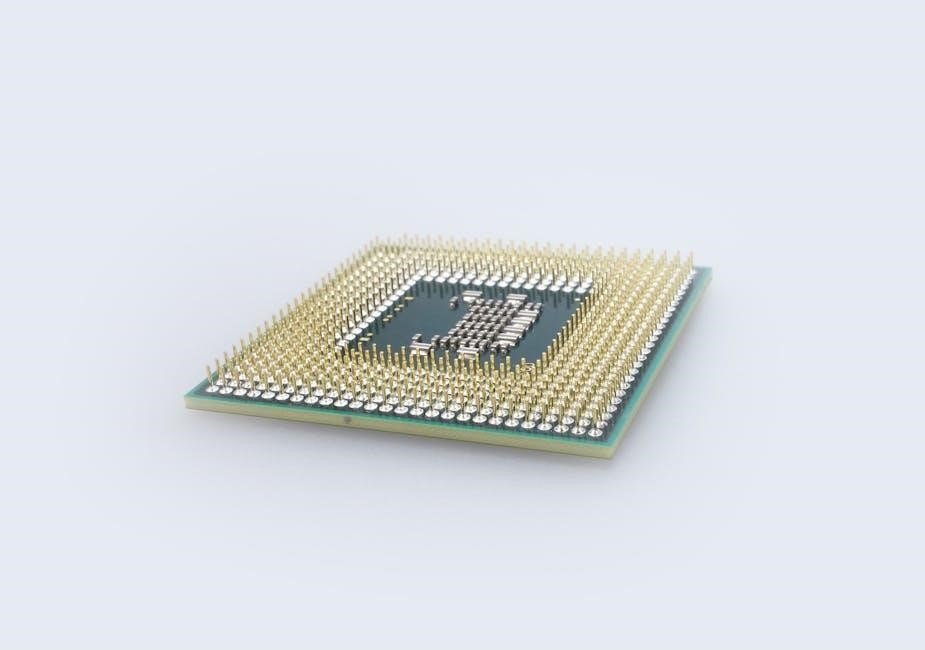
Guide pin manufacturing and application are often governed by industry-specific standards to ensure reliability and safety. While a single‚ universally adopted standard is lacking‚ dimensional tolerances‚ material specifications‚ and load-bearing capacities are frequently defined by organizations like ANSI and ISO.
These specifications dictate parameters such as pin diameter‚ length‚ head style‚ and material composition – crucial for consistent performance. Precision guide pins‚ particularly those produced via CNC machining‚ demand adherence to tight tolerances. Furthermore‚ specific applications‚ like automotive or aerospace‚ may impose additional‚ stringent requirements regarding material traceability and quality control.
Maintenance and Best Practices for Guide Pins
Guide pin longevity and optimal performance rely on consistent maintenance and adherence to best practices. Regular inspection for wear‚ corrosion‚ or damage is paramount‚ especially in demanding industrial environments. Lubrication‚ using appropriate greases or oils‚ minimizes friction and prevents seizing‚ particularly for frequently used pins.
When disassembly is required‚ utilize correct tools to avoid damaging the pin or surrounding components‚ ensuring ease of future assembly. Avoid excessive force during insertion or removal. Proper storage in a clean‚ dry environment protects against corrosion. Replacing worn or damaged guide pins proactively prevents equipment failure and maintains operational safety.