Preschool lesson plans in PDF format offer a streamlined approach to early childhood education, providing teachers with readily accessible and organized resources.
Numerous websites, like Pre-K Printable Fun and Preschool Teacher 101, provide free, downloadable templates to simplify weekly thematic planning and daily activity structuring.
What is a Preschool Lesson Plan?
A preschool lesson plan is a structured guide that outlines educational goals, activities, and assessments for young learners. It’s a roadmap for teachers, ensuring intentional and purposeful learning experiences. These plans detail what children will learn, how they will learn it, and how progress will be measured.
Crucially, a well-crafted plan considers the unique developmental needs of preschoolers, encompassing cognitive, social-emotional, physical, and language skills. Utilizing a PDF format, as highlighted by resources like Preschool Teacher 101 and No Time For Flash Cards, allows for easy distribution, storage, and modification.
These plans aren’t rigid scripts, but rather flexible frameworks adaptable to children’s interests and emerging needs, fostering a dynamic learning environment.
Why Use a PDF Format?
Employing a PDF format for preschool lesson plans offers significant advantages. PDFs ensure consistent formatting across all devices, preventing unwanted alterations during sharing and printing. Resources like Pre-K Printable Fun readily offer plans in this format, streamlining access for educators.
PDFs are easily downloadable and storable, creating a centralized and organized system for lesson planning. They are also highly portable, allowing teachers to access plans on various devices – tablets, laptops, or smartphones – both in and outside the classroom.
Furthermore, PDFs maintain the visual integrity of the plan, preserving any embedded images or specific layouts crucial for clarity and effective implementation.

Key Components of a Preschool Lesson Plan
Effective preschool lesson plans encompass learning objectives, developmental domains, necessary materials, and detailed activity descriptions, ensuring a well-rounded educational experience.
Learning Objectives & Goals
Clearly defined learning objectives are the cornerstone of any successful preschool lesson plan. These statements articulate what children will know or be able to do by the end of the lesson or unit.
Objectives should be specific, measurable, achievable, relevant, and time-bound (SMART). For example, instead of “children will learn about colors,” a better objective would be “children will be able to identify and name three primary colors with 80% accuracy.”
Goals are broader statements of intent, outlining the overall direction of the learning experience. They provide context for the objectives and help teachers maintain a focus on long-term development.
Lesson plans, often found as PDF downloads from resources like Preschool Teacher 101, frequently include dedicated sections for outlining these crucial elements.
Developmental Domains Addressed (Cognitive, Social-Emotional, Physical, Language)
A comprehensive preschool lesson plan, often available as a PDF, intentionally integrates activities across all key developmental domains.
Cognitive development is fostered through problem-solving, critical thinking, and early literacy skills. Social-emotional growth is nurtured via cooperative play, conflict resolution, and self-regulation exercises.
Physical development encompasses both gross motor skills (running, jumping) and fine motor skills (drawing, building).
Language development is supported through storytelling, conversations, and vocabulary building.
Templates from sites like No Time For Flash Cards often provide spaces to explicitly note how each activity addresses these domains, ensuring a holistic approach to learning.
Materials Needed
A well-structured preschool lesson plan, frequently distributed as a PDF, includes a detailed list of materials needed for each activity. This ensures teachers are fully prepared and minimizes disruptions during lesson implementation.
Lists can range from simple items like crayons, paper, and glue to more specialized materials such as building blocks, playdough, or thematic props.
Preschool Teacher 101’s templates often feature dedicated sections for material checklists, promoting organization.

Clearly outlining required materials saves time and resources, preventing last-minute scrambles.

Consider including quantities and potential substitutions for flexibility, enhancing the lesson’s adaptability.

Types of Preschool Lesson Plans
Preschool lesson plans come in varied formats, including thematic units, focusing on a central topic, weekly plans for structured learning, and daily plans for focused activities.
Thematic Units
Thematic units in preschool lesson planning revolve around a central theme, like “Animals” or “Colors,” integrating various learning areas. This approach fosters deeper understanding and engagement as children explore a topic through diverse activities.
A well-structured thematic unit incorporates circle time stories, art projects, sensory play, and center activities all connected to the chosen theme. Resources like Pre-K Printable Fun offer sample weekly themed plans and templates to aid in creating these units.
PDF lesson plans for thematic units often include lists of books, songs, and materials needed, ensuring a cohesive and enriching learning experience for young children. They promote integrated learning and cater to different developmental domains simultaneously.
Weekly Lesson Plans
Weekly lesson plans provide a broader overview of learning activities for an entire week, offering structure and consistency in a preschool classroom. These plans typically outline themes, learning objectives, and activities for each day, ensuring a balanced curriculum.
Preschool Teacher 101 offers an editable, free printable template specifically designed for weekly planning. These plans often detail activities across developmental domains – cognitive, social-emotional, physical, and language – promoting holistic growth.
PDF format allows for easy sharing and modification of weekly plans. Teachers can readily adapt activities based on children’s interests and needs, maintaining flexibility while adhering to overall learning goals. They are a cornerstone of effective preschool education.
Daily Lesson Plans
Daily lesson plans offer a detailed, moment-by-moment guide for preschool educators, outlining specific activities and transitions throughout the day. These plans ensure focused instruction and intentional learning experiences for young children.
Utilizing a PDF format for daily plans allows for easy printing and quick reference during classroom activities. Templates from resources like No Time For Flash Cards provide structured layouts, including sections for learning areas and activity descriptions.
Effective daily plans incorporate a variety of activities – circle time, center time, and outdoor play – catering to diverse learning styles and developmental needs. They are essential for maximizing engagement and fostering a positive learning environment.
Free Printable Preschool Lesson Plan Templates
Numerous online resources offer free, printable preschool lesson plan templates in PDF format, simplifying planning for teachers. Websites like Preschool Teacher 101 and No Time For Flash Cards provide these!
Preschool Teacher 101 Template Features
Preschool Teacher 101 provides an editable and free printable preschool lesson plan template designed to assist educators in creating well-structured and effective lessons. This template is particularly useful for weekly planning, offering a clear and organized format to document learning objectives, activities, and materials.
The template’s step-by-step directions guide teachers through the lesson planning process, ensuring all essential elements are included. It allows for detailed planning across various developmental domains, promoting a holistic approach to early childhood education.
Teachers can easily customize the template to suit their specific classroom needs and curriculum requirements, making it a versatile tool for both experienced and new preschool educators. It streamlines the planning process, saving valuable time and effort.
No Time For Flash Cards Template Details
No Time For Flash Cards offers a downloadable preschool lesson planning template in PDF format, focusing on organization through designated learning areas. This template is designed to simplify the planning process, providing a visual layout for structuring daily or weekly activities.

The template includes sections for various learning centers and activities, allowing teachers to easily map out a balanced curriculum. A key feature is its emphasis on learning areas, ensuring comprehensive development across different domains.
It’s important to note the red outer frame present in the photo of the template is solely for illustrative purposes and won’t appear on the actual printable version. This template is a practical resource for busy preschool teachers.
Pre-K Printable Fun Template Overview
Pre-K Printable Fun provides a sample weekly preschool themed lesson plan alongside a free, downloadable lesson planning template in PDF format. This resource is geared towards educators seeking to create fun and structured preschool weeks with ease.
The template facilitates effortless organization, allowing teachers to plan activities around a central theme. It’s designed to streamline the planning process, ensuring a cohesive and engaging learning experience for young children.
By downloading this printable template, teachers gain access to a valuable tool for organizing their curriculum and maximizing learning opportunities. It’s a practical solution for busy preschool environments.
Creating Your Own Preschool Lesson Plan
Developing a personalized lesson plan involves assessing children’s needs, selecting a relevant theme, and carefully planning activities across all developmental domains for optimal learning.
Step 1: Assessment of Children’s Needs

Before crafting any lesson plan, a thorough assessment of each child’s current abilities and interests is crucial. This initial step ensures activities are appropriately challenging and engaging;
Observe children during free play, circle time, and center activities to identify their strengths and areas where they might need additional support. Consider utilizing informal assessments like checklists or anecdotal records to document observations.
Understanding individual learning styles – whether visual, auditory, or kinesthetic – will also inform your planning. Tailoring lessons to meet diverse needs fosters a positive and effective learning environment, maximizing each child’s potential for growth and development. This foundational step sets the stage for successful lesson implementation.
Step 2: Selecting a Theme or Topic
Choosing a captivating theme is central to effective preschool lesson planning. Themes provide a unifying thread, connecting various activities and fostering deeper understanding. Popular themes include animals, seasons, colors, or community helpers.
Consider the children’s interests when selecting a theme – what are they naturally curious about? A relevant theme will spark enthusiasm and engagement. Weekly thematic units, as highlighted by Pre-K Printable Fun, offer a structured approach.
Ensure the chosen theme allows for exploration across all developmental domains – cognitive, social-emotional, physical, and language. A well-selected theme provides a rich context for learning and playful discovery, making lessons more meaningful and memorable.
Step 3: Planning Activities for Each Domain
Effective lesson plans thoughtfully integrate activities addressing all developmental domains. For cognitive development, incorporate puzzles, sorting games, and early literacy activities. Social-emotional growth is nurtured through group play, story time discussions, and role-playing scenarios.
Physical activities, both gross and fine motor, are essential – think outdoor play, building blocks, and art projects. Language development thrives with circle time songs, storytelling, and vocabulary building exercises.
Utilize the chosen theme to connect activities across domains. A PDF lesson plan template, like those from Preschool Teacher 101, can help organize these diverse elements, ensuring a well-rounded learning experience.
Essential Elements within Activities
Preschool activities should include engaging circle time, stimulating center time explorations, and invigorating outdoor play, fostering holistic development through varied experiences.
Circle Time Activities
Circle time is a cornerstone of the preschool day, offering a valuable opportunity for group cohesion and foundational skill development. Effective circle time activities, as supported by readily available preschool lesson plan PDFs, often incorporate interactive elements like songs, fingerplays, and read-alouds.
These activities nurture language skills, listening comprehension, and social-emotional growth. Consider incorporating thematic elements aligned with your weekly plan – for example, a song about animals during a “Farm” themed week.
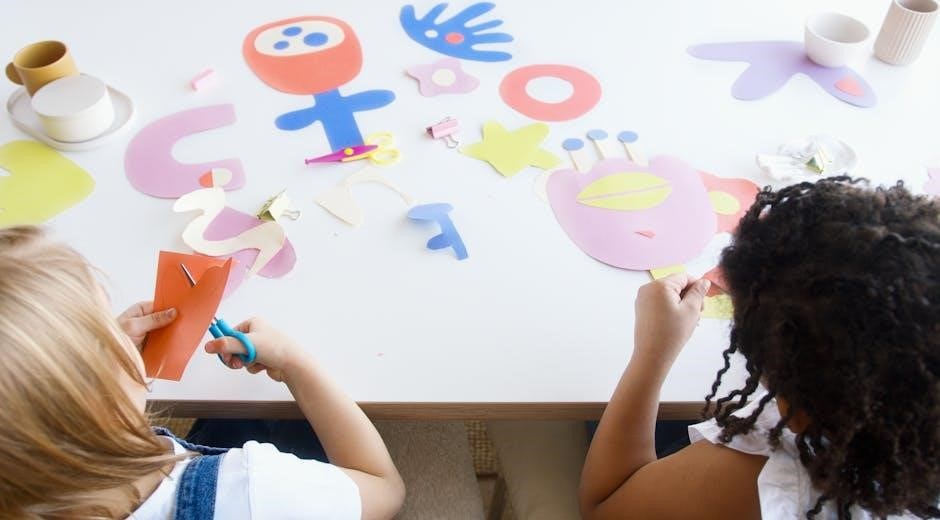
Simple routines, like greeting each child by name and reviewing the day’s schedule, establish a sense of security and predictability. Utilizing visual aids, such as picture cards, enhances engagement and understanding for all learners. Remember to keep activities brief and dynamic to maintain children’s attention.
Center Time Activities
Center time allows for differentiated instruction and child-led exploration, a key component detailed in many preschool lesson plan PDFs. Well-planned centers cater to diverse learning styles and developmental levels, fostering independence and problem-solving skills.
Common center options include art, blocks, dramatic play, literacy, and math. Each center should be equipped with engaging materials aligned with the current theme or learning objectives. For instance, a “Construction” theme might feature building blocks, toy trucks, and blueprint templates.
Clear expectations and designated time limits help maintain order and maximize learning. Regularly rotate materials to maintain interest and introduce new challenges. Observation during center time provides valuable insights into individual children’s strengths and areas for growth.
Outdoor Play Activities
Outdoor play is a crucial element of a comprehensive preschool lesson plan, often highlighted in available PDF resources. It provides opportunities for large motor skill development, social interaction, and exploration of the natural world.
Activities can range from free play on playground equipment to structured games like tag or obstacle courses. Incorporate elements related to the weekly theme – a “Bug Hunt” during an insect study, for example. Ensure a safe environment with appropriate supervision and age-appropriate equipment.
Outdoor time also supports cognitive development through sensory experiences and problem-solving. Simple activities like collecting leaves or building with sticks encourage observation and creativity.

Resources for Preschool Lesson Plans
Online databases and websites like Preschool Teacher 101 and No Time For Flash Cards offer free PDF lesson plans, while published books provide additional inspiration.
Online Databases & Websites
Numerous online platforms serve as valuable repositories for preschool lesson plans, often offering downloadable PDF versions for convenient access and use. Preschool Teacher 101 stands out with its editable, free printable templates and step-by-step guidance, empowering educators to craft effective lesson plans.
Pre-K Printable Fun provides sample weekly themed plans alongside a free lesson planning template, facilitating structured and engaging preschool weeks. No Time For Flash Cards offers a downloadable lesson plan template with designated learning areas, presented in a user-friendly PDF format.

These websites frequently update their resources, ensuring teachers have access to current and innovative ideas for fostering early childhood development through well-planned activities.
Books & Publications
While online resources are abundant, traditional books and publications remain valuable sources of inspiration and detailed preschool lesson planning guidance. Many educational publishers offer comprehensive curriculum guides, often including reproducible activity sheets suitable for adaptation into PDF-based lesson plans.
Look for resources focusing on early childhood development, play-based learning, and specific thematic units. These publications frequently provide in-depth explanations of learning objectives and developmentally appropriate practices.
Though not always directly available as PDFs, the content can be readily digitized and organized for easy access. Combining insights from books with the convenience of online templates, like those from Preschool Teacher 101 and Pre-K Printable Fun, creates a robust planning system.
Tips for Effective Lesson Planning
Effective preschool lesson planning requires flexibility to adapt to children’s needs and interests, alongside consistent observation and thoughtful reflection on activity success.
Flexibility and Adaptability
Preschoolers are wonderfully unpredictable! A well-crafted lesson plan, even in PDF format, should serve as a guide, not a rigid script. Be prepared to deviate from the plan based on the children’s engagement and emerging interests.
Sometimes an activity will captivate them for longer than anticipated, while others might fall flat. Embrace these moments as learning opportunities themselves! Adapt by extending engaging activities or swiftly transitioning to something new if needed.
Remember, the goal is to foster a love of learning, and that often means being responsive and adjusting your approach on the fly. Don’t hesitate to modify materials or simplify instructions to ensure all children can participate successfully.
Observation and Reflection
Consistent observation is crucial for effective preschool lesson planning, even when utilizing pre-made PDF templates. Carefully watch how children interact with activities, noting their strengths, challenges, and areas of interest.
After each lesson, take time for thoughtful reflection. What worked well? What didn’t? Were the learning objectives met? Did all children have opportunities to participate and succeed?
Use these insights to inform future planning; Modify existing PDF lesson plans or create new ones based on your observations. This iterative process ensures your lessons are truly responsive to the unique needs of your students, maximizing their learning potential.