Overview of GE Profile Washer Manual PDF
The GE Profile Washer Manual PDF offers a concise guide covering model specifics, safety warnings, and user instructions. It includes clear diagrams, cycle options, and troubleshooting tips, ensuring owners can install, operate, and maintain their washer with confidence. Download it now for ull detail!
Purpose and Scope of the Manual
The GE Profile Washer Manual PDF is designed to serve as the definitive reference for owners, technicians, and service personnel. Its primary purpose is to provide clear, step‑by‑step guidance that covers every aspect of the appliance’s lifecycle—from initial unpacking and installation to daily operation, routine maintenance, and advanced troubleshooting. The manual’s scope extends across all GE Profile washer models, ensuring that users can locate model‑specific instructions, safety warnings, and performance specifications in a single, searchable document. By consolidating essential information, the PDF eliminates the need for multiple printouts or fragmented online resources, thereby reducing user error and enhancing overall appliance longevity. The manual also includes a comprehensive overview of warranty terms, service contacts, and regulatory compliance statements, allowing users to verify coverage and understand their rights. In summary, the GE Profile Washer Manual PDF is an indispensable tool that empowers consumers to maximize efficiency, safety, and reliability while minimizing downtime and repair costs. Users are encouraged to review the safety precautions before each use.!!

Download and Access
Access the GE Profile Washer Manual PDF via the GE website or trusted third‑party repositories. Simply enter your model number, download the PDF, and save it locally or on cloud storage for quick reference. The file is free, searchable, and updates with firmware releases now.
The GE Profile Washer Manual PDF offers a concise guide covering model specifics, safety warnings, and user instructions. It includes clear diagrams, cycle options, and troubleshooting tips, ensuring owners can install, operate, and maintain their washer with confidence. Download it now for ull detail!
Access the GE Profile Washer Manual PDF via the GE website or trusted third‑party repositories. Simply enter your model number, download the PDF, and save it locally or on cloud storage for quick reference. The file is free, searchable, and updates with firmware releases now.
Official GE Website and Third-Party Sources
Manual Contents
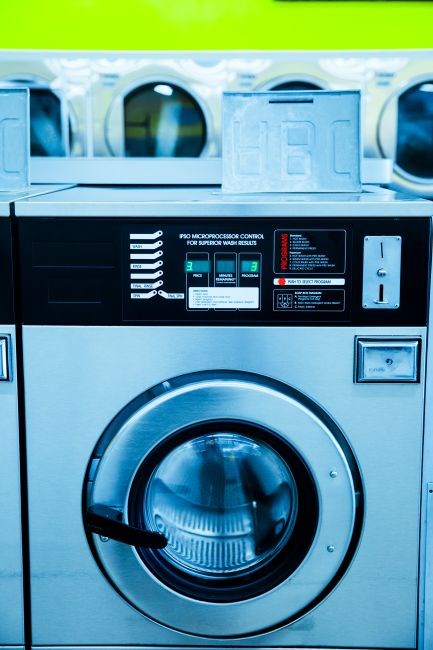
The GE Profile Washer Manual PDF outlines sections: safety, installation, operation, maintenance, troubleshooting, and warranty. Each chapter contains diagrams, cycle options, and step‑by‑step guidance to help users navigate and use the appliance effectively. for all users daily.!!
Table of Contents and Navigation
The GE Profile Washer Manual PDF is organized into a clear, user‑friendly structure that allows quick reference and efficient troubleshooting. At the very beginning, the document presents a concise front page with the model number, serial number, and a brief introduction to the washer’s key features. Directly following this, a numbered table of contents lists each major section and sub‑section, complete with page numbers for instant location; The navigation system is enhanced by clickable hyperlinks in the PDF, enabling users to jump from the table of contents to any chapter or appendix with a single click. Each chapter begins with a summary box that highlights the most critical points, such as safety warnings, required tools, and a short overview of the section’s content. Within the main body, sub‑sections are clearly labeled and separated by bold headings, providing a logical flow from installation to operation, maintenance, and troubleshooting. The manual also includes a “Quick Reference” page that aggregates essential cycle settings, detergent guidelines, and load‑size recommendations. For added convenience, the PDF contains a search function that allows users to locate specific terms or troubleshooting steps instantly. This combination of a detailed table of contents, interactive navigation, and organized layout ensures that users can find the information they need swiftly, whether they are setting up the washer for the first time or diagnosing a recurring issue. The design prioritizes clarity, making the manual a reliable companion for both novice and experienced appliance owners alike. Thank you.
Installation Guide
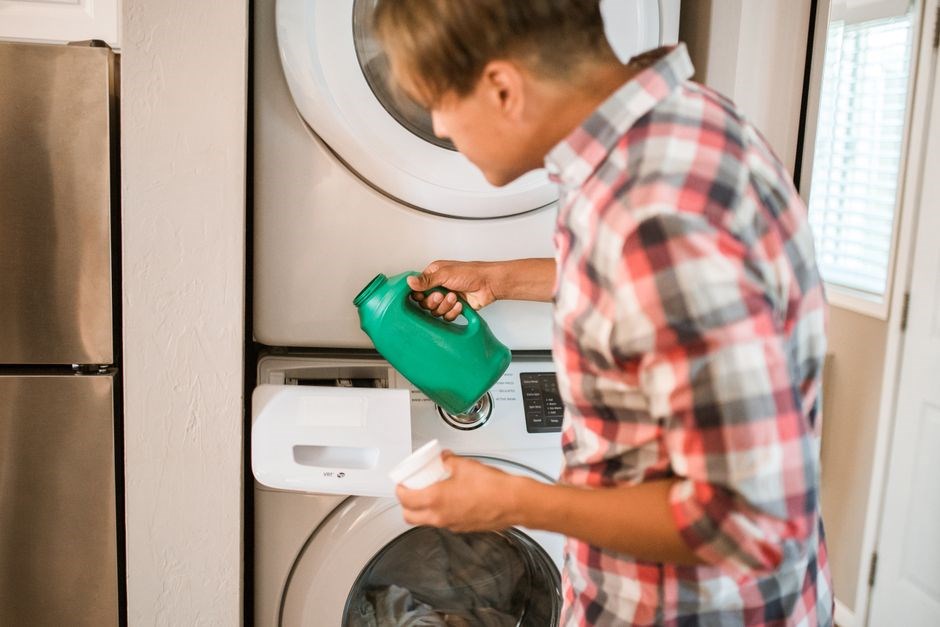
Follow these steps: locate the washer, connect water hoses, attach power cord, level the unit, secure with screws, run a test cycle, check for leaks, and read safety warnings. Keep the manual handy for troubleshooting. Ensure ventilation and verify connections before powering on
Step-by-Step Setup Instructions
Unpack the GE Profile washer and verify all components are present. 2. Position the unit on a level surface, leaving at least 2 inches clearance on all sides. 3. Connect the cold water supply line to the inlet valve; tighten the nut with a wrench. 4. Attach the hot water line similarly. 5. Plug the power cord into a grounded outlet. 6. Press the start button to run a short rinse cycle. 7. Inspect for leaks and ensure the door latch functions correctly. 8. Adjust leveling feet as needed to achieve a stable, horizontal machine. 9. Read the safety warnings in the manual before regular use. 10. Store the manual in a dry place for future reference.
Before operating, ensure the washer is placed on a stable, level surface to prevent vibration. Verify that the water supply hoses are not kinked and that the inlet valves are fully open. Connect the drain hose to a suitable drainage point, ensuring it is secured to avoid leaks. After powering on, observe the initial cycle for any abnormal noises or leaks. If the door latch does not engage, check for obstructions and ensure the latch mechanism is clean. For optimal performance, use the recommended detergent and avoid overloading the drum. Keep the detergent dispenser clean and periodically inspect the filter for debris. Follow the manufacturer’s guidelines for load size and fabric type to maintain the washer’s efficiency and longevity. Ensure all connections stay tight and check for leaks.

Operating Instructions
Follow the cycle menu to select wash, spin, or rinse. Load fabric evenly, add detergent to dispenser, and close the door securely. Use the water level indicator to choose appropriate settings. Press start, monitor progress, and pause or cancel as needed. Keep the door gently closed and monitor for any sounds!
Running the Washer Safely
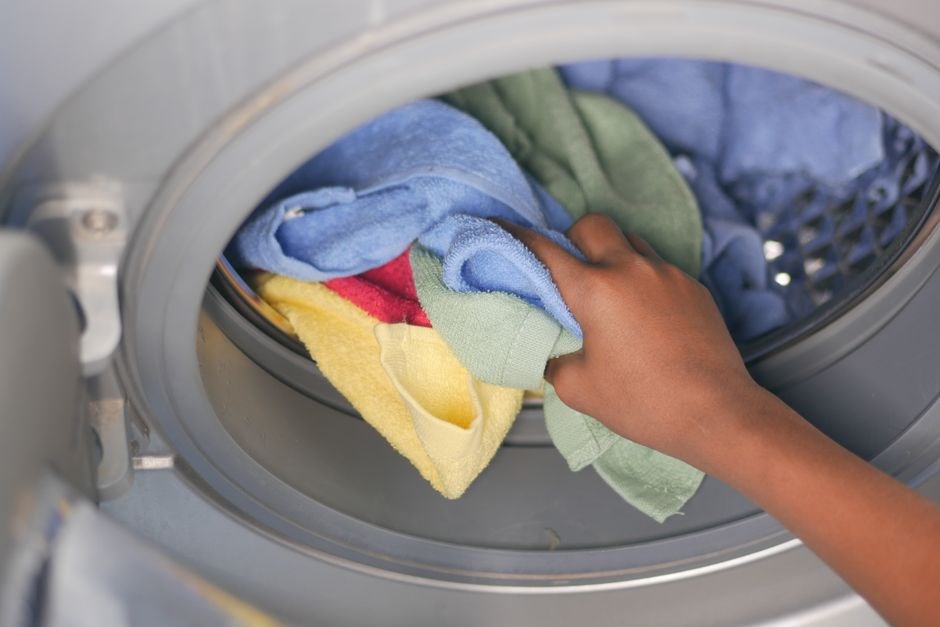
Before operating your GE Profile washer, ensure the appliance is placed on a level, stable surface and that all safety instructions are followed. Keep the door latch engaged and never force the door open while the machine is running. Use only the recommended detergent and avoid overloading the drum. Always check that the water supply hoses are securely attached and free from kinks. If the washer is located near a heat source or in a damp area, maintain a minimum clearance of 12 inches to prevent overheating or electrical hazards. During operation, monitor the machine for unusual noises or vibrations; if detected, pause the cycle and inspect for obstructions or imbalance. Keep children and pets away from the appliance while it is in use. In case of a power outage, unplug the unit before performing any maintenance. Follow the manufacturer’s guidelines for loading, detergent usage, and cycle selection to ensure optimal performance and safety. If you notice any leaks, unusual smells, or persistent error codes, contact GE customer support immediately. By adhering to these precautions, you can enjoy reliable, efficient, and safe washing sessions with your GE Profile washer.
Remember to routinely inspect the door seal for wear, and replace it if it shows cracks or tears. The water inlet valve should be checked for clogs, especially if you notice a lower water level. Keep the detergent drawer clean by wiping it after each cycle. For optimal drying, select the correct spin speed based on load weight!!

Maintenance and Cleaning
Follow GE’s guidance: run a hot cycle with a cup of vinegar to remove residue, clean the detergent drawer weekly, inspect door seals for cracks, and wipe the drum interior with a mild detergent. Keep the filter clear to ensure efficient drainage. Perform these steps monthly for best results. Keep it clean.
Routine Care and Long-Term Maintenance
Routine care for a GE Profile washer ensures longevity and optimal performance. Begin by inspecting the door gasket for cracks or debris; clean with a damp cloth and mild detergent, then dry thoroughly. Every 1–2 months, run a maintenance cycle using a cup of white vinegar or a commercial descaler to dissolve mineral buildup. Check the detergent dispenser drawer for residue; remove and rinse with warm water, scrubbing gently with a soft brush. Verify the drain hose and filter are free of clogs; periodically remove the filter, rinse, and reinsert. Keep the machine level by adjusting the feet as needed, using a spirit level to confirm. Monitor the drum for unusual noises; if you hear grinding or rattling, stop the cycle and inspect for foreign objects. Maintain a clean exterior by wiping down the control panel and door with a soft, damp rag, avoiding abrasive cleaners that could damage the surface. Store detergent in a cool, dry place to prevent clumping. Finally, review the user manual’s recommended maintenance schedule and adhere to it, noting any changes in performance or water quality. Consistent attention to these steps will extend the washer’s life and keep it running efficiently for years. If you notice any leaks around the water inlet or drain, tighten fittings or replace seals as indicated in the troubleshooting section; Additionally, schedule a yearly professional inspection to verify that all electrical connections remain secure and that the motor is operating within specified parameters. By following these guidelines, you can prevent costly repairs and enjoy reliable laundry performance throughout the appliance’s lifespan. Remember to keep the area around the washer free of excess moisture to avoid mold growth, and ensure that the ventilation space is not obstructed, allowing proper airflow. The manual also recommends using only manufacturer‑approved detergents and fabric softeners to maintain warranty coverage and avoid residue buildup.
Troubleshooting
Check power. Verify the door latch is secure; a faulty latch stops operation. Inspect water inlet hoses for kinks or blockages. If error codes appear, consult the manual’s code list. Reset by unplugging for 30 seconds, then restart If problems persist, contact now today GE service!
Common Problems and Solutions
Common issues with GE Profile washers include power failures, door latch errors, water supply problems, and error codes. Power failure often stems from a tripped circuit breaker or faulty outlet; check the breaker panel and replace damaged cords. Door latch errors may cause the machine to refuse to start; inspect the latch for wear, clean debris, and ensure the door is fully closed. Water supply problems such as low flow or clogged inlet hoses can lead to incomplete wash cycles; verify hoses are not kinked, check filters, and flush them. Error codes displayed on the digital panel correspond to specific faults—refer to the code list in the manual for diagnosis. For example, code “E01” indicates a water inlet issue, while “E02” signals a drain problem. Resetting the washer by unplugging for 30 seconds often clears transient errors. If persistent problems arise, schedule a service appointment. Regular maintenance—cleaning the lint filter, checking hoses, and ensuring the machine is level—prevents many common failures. Additionally, if the washer vibrates excessively, check that it is on a stable surface and that the leveling feet are adjusted. A noisy drum may indicate worn bearings; replace them to avoid further damage. When the machine displays a “No Water” error, ensure both hot and cold water valves are open and that the hoses are not blocked. For a “Drain Error,” inspect the drain pump for obstructions and verify the drain hose is properly positioned. Finally, if the washer shows a “Spin Error,” confirm that the load is balanced and that the spin speed is not set too high for the current cycle. Following these troubleshooting steps can resolve most issues without professional help. If after all checks the problem persists, consult the GE customer support hotline or schedule an online service request through the GE website. Keep the user manual handy for reference during troubleshooting to ensure accurate diagnosis and safe repairs. Proper documentation of error codes and actions taken helps technicians resolve issues more efficiently. Remember to always unplug the appliance before performing any maintenance to avoid electrical hazards.

Warranty and Support

For coverage, consider GE’s protection plan with parts, labor, service now
The manual lists a 1‑year limited warranty for parts and a 10‑year motor warranty. For assistance, call 1‑800‑GE‑HELP or chat online. Repairs are covered if the issue is covered under warranty terms.
Warranty Coverage and Contact Channels
GE’s Profile Washer Manual PDF details a 1‑year limited parts warranty and a 10‑year motor warranty covering manufacturing defects and performance issues. The warranty is valid only when the appliance is installed and operated per the instructions, and any unauthorized repairs void coverage. For service inquiries, the manual directs users to the GE Home Appliance Support portal to submit a request or schedule a technician. Contact info includes phone line (1‑800‑GE‑HELP) and chat 24/7 now. The manual lists authorized service centers by region with addresses and hours, and links to the online warranty registration form. Users are encouraged to register their unit within 30 days of purchase to activate the warranty and receive an email with a serial number and warranty card. In case of a claim, the manual advises gathering the purchase receipt, serial number, and a detailed description of the issue before contacting support. The warranty terms cover parts and labor for covered defects but exclude damage caused by misuse, improper installation, or natural disasters. For extended protection, the manual offers service plans through the GE website or authorized retailers, extending coverage up to 5 years and adding priority scheduling and discounted parts. All warranty claims must be submitted within the coverage period; the manual provides a guide to file a claim online, including required documents and expected turnaround times. Following these procedures, users can ensure timely repairs and maintain appliance performance over its lifespan.